

Energy déjà vu: Now is the time for energy independence.
Almost exactly 4 years after Russia invaded Ukraine, the UK and people around the world are being subjected to skyrocketing oil and gas prices. The attack in Iran is sending shockwaves into the energy market and consumers' pockets into another déjà vu.
Rising tensions across the Middle East and pressure in the Strait of Hormuz have decreased global supply with growing demands. In response, 32 member countries of the IEA have agreed to release an unprecedented 400 million barrels of oil from their emergency reserves into the market to relieve some of the pressures. However, as oil prices continue to climb, with the price of Brent crude oil rising by 3% to $106.50 a barrel as the markets opened on Monday, it looks like more oil reserves will be released into the market.
For now, this is a band-aid fix to try to help control the price of oil. But how long will this fix last? Can it continue? And what will the impact be for everyday people? This largely depends on the length of the war in Iran, but one thing is becoming increasingly clear over the last four years.
The time for energy independence is now.
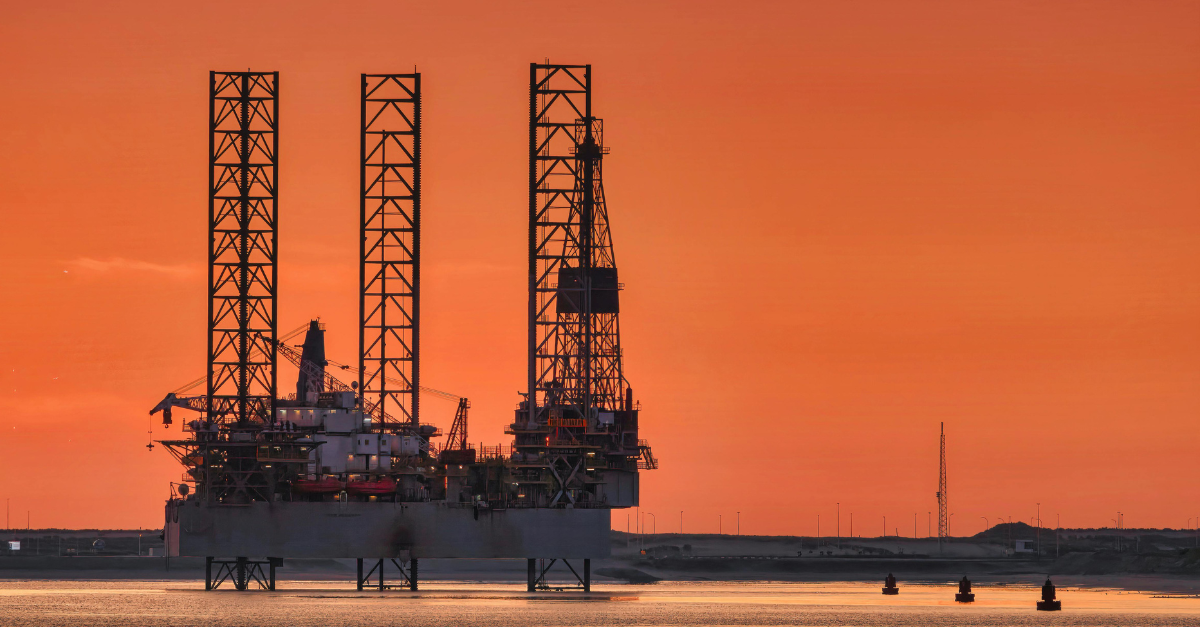
If we do not address the growing need for energy independence, security, and diversification, we will become reliant on external geopolitical pressures on the oil and gas market. Pushing us into what can feel like a cycle of boom and bust in an extended cost-of-living crisis.
Yesterday, Prime Minister Kier Starmer gave a press conference on the ongoing conflict in Iran, outlining 5 key steps. These include the upcoming energy price cap, which is set to decrease from the 1st of April and is in place until the end of June. After this, we cannot predict what the new price will be capped at, but the trend is looking up; an extended cut in fuel duty, protecting heating fuel customers who have had their supply cut, resolving the situation in the Middle East, and finally building Britain’s energy independence and security.
To prevent exposure to the extreme fluctuations in the oil and gas markets, this last step is the most crucial.
The Prime Minister announced that £90 billion has been invested in clean energy across Britain, which is equivalent to powering 20 million homes. This has been spread across the installation of more clean energy infrastructure, updating and securing the grid, as well as jobs across the energy sector. But when will we see the benefit of this, and what about the nearly 10 million remaining households across Britain?
We have seen the announcement of several large clean energy infrastructure projects across the UK. Including the 373 megawatt (MW) Cleve Hill Solar Park in Kent, the Eastern Green Link 2 transmission project, and the recent Contracts for Difference (CfD) allocation round securing 9.7GW of onshore and offshore wind across 16 projects. Securing and growing Britain’s energy security and independence for our 2030 target. But these are yet to come to fruition. Energy pricing shocks are hitting our pockets now; how do we secure the market in the meantime?
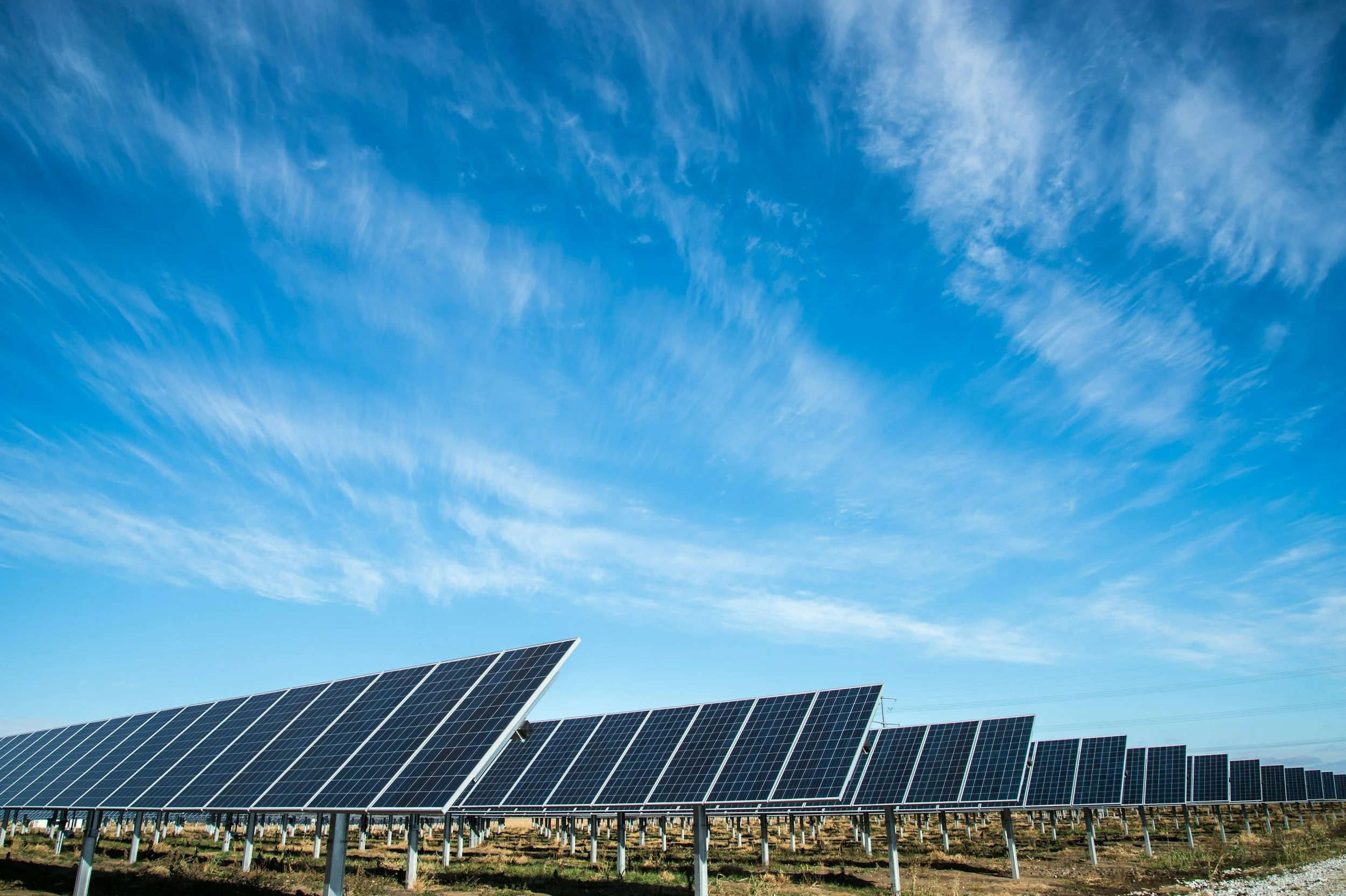
This is where behind-the-meter clean energy solutions, such as solar PV and small wind energy devices, come into play. Easy to scale and quicker to install, typically without the need for a lengthy approval and installation process, they can be set up to deliver localised energy projects for communities and commercial properties. More often than not, they provide cheaper and cleaner electricity compared to grid power. The current levelised cost of energy for Solar PV sits at about $0.08-$0.21 per kilowatt hour (kWh) (£0.05-£0.15/kWh).
In addition to providing direct electrical generation that is quick and cost-effective, it reduces transmission and connection delays. In 2025, there were 700-800 gigawatts of projects still waiting for connection to the UK grid, delaying access to secure clean energy. Furthermore, the large majority of these clean energy projects sit far removed from where their electrical outputs are being consumed. Adding transmission costs to bills and risking secure connections over long distances. In the UK, approximately 8-10% of the total supplied electricity is lost through transmission and distribution. Although these projects are delivering the energy independence we need for Britain, we are still 4-5 years away.
There is no doubt that the next few months of the energy market will be difficult to navigate through, with the recent situation in the Middle East. Emergency reserves are being exposed, countries are already putting policies in place to secure already depleted reserves, consumer energy bills are expected to increase, and the impact will be far-reaching into the economy. The government has put in the groundwork to reach its 2030 clean energy targets, but we need action to secure energy independence, reliability, and affordability now.
Behind-the-meter renewable solutions can do this, alleviating existing and impending pressures that we will no doubt face. This is why at Katrick Technologies, we are working towards building a technology that can be easily retrofitted and scaled to deliver clean, green electricity to consumers at the point of use. Our Wind Panel technology uses powerful, turbulent wind energy and our innovative powertrain solution to effectively feed electricity to match consumption needs. Energy independence starts here.
The time is now; we cannot risk waiting, or we risk being stuck in another 4-year cycle.